


Are the 2020s Like the 2000s?
December 19, 2025Are the 2020s like the 2000s? Fashion loves a full circle, but it rarely returns exactly where it began. The early 2000s looked messy, bold, and experimental, full of sequins and uncertainty. The 2020s are also full of sparkle and self-expression, yet the effect feels different. Technology, politics, and sustainability shape what we wear far more than they did two decades ago. Clothing still acts as self-advertisement, but the messages now are filtered through far more awareness and far less innocence.
Many say the 2000s are back. Low-rise jeans, shiny lip gloss, and sparkly tops appear in both high street and high fashion. Yet the mood is different. In the early 2000s, style was optimistic and slightly reckless. Today’s revival feels curated, filtered through nostalgia rather than lived energy. Designers borrow, quote, and remix instead of repeating. The same crop top appears, but its meaning has changed.
Shoppers also behave differently. In the 2000s, fast fashion was the new thrill, offering catwalk imitation at pocket money prices. Now, second-hand shopping has equal appeal. The thrill of the chase has shifted from “what’s new” to “what’s rare.” Vintage resellers, Depop listings, and charity shop rails hold the same allure that once belonged to Topshop’s Saturday crowds. Because consumers now measure fashion’s worth not only by look but by ethics, old garments gain new glamour.
Are the 2020s like the 2000s? No, not at all.
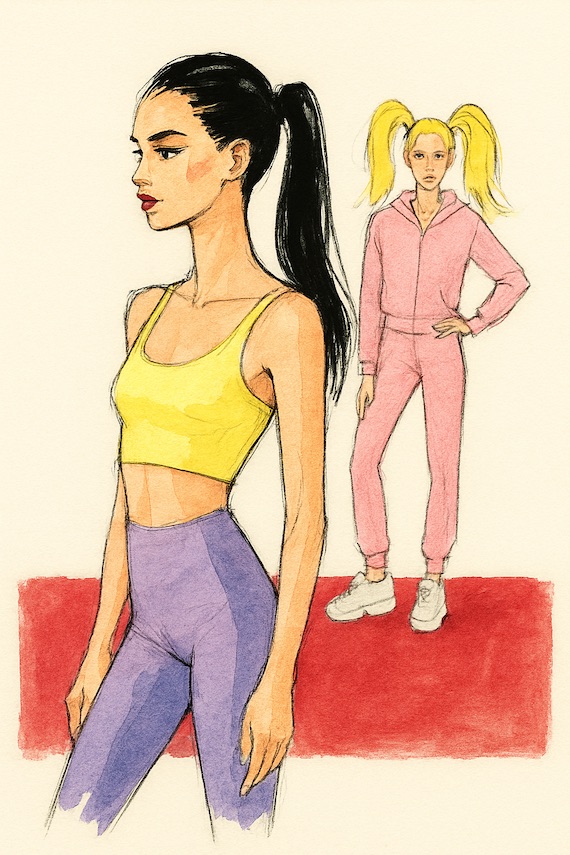
Are the 2020’s like the 2000’s? Image G Jones / AI
Social media alters everything. In the early 2000s, trends filtered down through magazines and music videos, with months between runway and retail. Today, a TikTok clip can create a micro-trend in hours. Therefore, the 2020s resemble a sped-up remix of the past rather than a direct copy. Instead of waiting for fashion week, everyone contributes to fashion’s conversation. Style is no longer observed from the outside but generated in real time by its audience.
Technology also transforms materials. Two decades ago, satin and sparkles defined youth fashion, promising glamour at minimal cost. Nowadays, recycled polyester, bamboo viscose, and lab-grown leather point toward a more sustainable ideal. Moreover, sportswear technology slips into daily dressing. Fabric that stretches, breathes, and regulates temperature belongs as much to the office as to the gym. As a result, the modern version of a 2000s outfit might look familiar yet feel completely different to wear.
Brands reinvent their old tricks with new polish. Back then, visible logos shouted status; now that looks silly. Because branding has become omnipresent, designers find subtler ways to signal identity. Monogram prints still exist, yet placement and proportion have shifted. Moreover, collaboration rather than competition drives attention. When a luxury label works with a streetwear designer, it nods to the mash-up culture that defines the present decade. The message is not “look at me” but “we belong everywhere.”
Nostalgia
Are the 2020s Like the 2000s? A sense of nostalgia runs deep through the revival. In fashion, nostalgia always arrives disguised as innovation. Millennials revisit their teenage wardrobes with self-awareness, while Gen Z treats Y2K style as historical costume. Therefore, irony replaces sincerity. Rhinestones reappear not as aspiration but as wink. The same butterfly clip that once symbolised pop innocence now reads as clever retro styling. This blend of humour and history marks the strongest difference between the two decades.
Accessories provide some of the clearest echoes. Platform shoes return, though the shape is chunkier and the humour deliberate. Tiny handbags once mocked for impracticality now hold phones, cards, and nothing more—on purpose. Additionally, early-2000s hair clips, hoop earrings, and tinted glasses reappear, but usually paired with minimalist basics rather than head-to-toe sparkle. The balance has shifted. Instead of maximalism for its own sake, glamour feels edited and precise.
Runways tell a subtler story than social feeds. In 2003, designers competed in spectacle—think holographic fabrics, visible lingerie, and exaggerated metallics. Today, they often cite the same ideas but ground them in sustainability and craft. Because audiences demand more meaning, designers frame nostalgia as commentary. A crystal-studded mini skirt might reference not excess but the cycle of desire itself. Therefore, runway revival becomes analysis rather than indulgence.
Are the 2020s Like the 2000s? Worldwide Catwalk Shows
Geography also redefines fashion’s heartbeat. Two decades ago, trends began in Paris, Milan, London, or New York. Now Seoul, Lagos, and Copenhagen share equal spotlight. Moreover, digital platforms erase the hierarchy of fashion capitals. An independent designer can launch a global look from a bedroom studio. As a result, 2000s nostalgia appears worldwide, each region reshaping it with local references. The Y2K revival becomes less a copy and more a conversation.
Trend cycles have grown ruthless. In the early 2000s, a style could last an entire season. Now, some trends burn out within weeks. Because everyone can participate, repetition arrives sooner. Additionally, micro-trends born online rarely translate into long-term shifts. Low-rise jeans might dominate social media for a month, then vanish beneath the next obsession. Still, the constant turnover reflects an energy reminiscent of the early 2000s: impulsive, unfiltered, slightly chaotic.
The relationship between high fashion and streetwear continues to blur. Two decades ago, designers treated youth culture as something to borrow from. Today, they treat it as partnership. Moreover, collaborations between luxury houses and skateboard brands no longer shock anyone. Streetwear now owns a seat at the couture table. Because of that, the rebellious energy once found in underground clubs has moved to global runways, polished but still recognisable.
Different Ways of Marketing
Are the 2020s Like the 2000s? Marketing, too, wears a new face. In 2005, a campaign meant glossy billboards and celebrity photoshoots. Now, a viral clip achieves more reach in less time. Influencers build personal labels, while brands behave like influencers. Additionally, digital filters and AI styling reshape self-presentation. Therefore, fashion imagery now includes everyone, not only models. Yet, as access widens, pressure increases to maintain an online aesthetic that feels effortless but demands constant labour.
Sustainability forms the main dividing line between eras. The early 2000s were defined by abundance, by the thrill of endless choice. The 2020s confront the consequences. Because younger consumers understand climate cost, the meaning of “fashionable” shifts. Wearing the same garment repeatedly becomes a badge of care, not failure of imagination. Moreover, recycled materials, garment repair, and minimal packaging belong to style discussions as firmly as silhouette or colour. Thus, nostalgia operates within a moral frame it once lacked.


