


Were the 2000s like the 90s?
June 29, 2026Were the 2000s like the 90s? The idea that the 2000s were simply an extension of the 1990s persists for a reason. Both decades feel emotionally adjacent in ways later eras do not. People remember familiar clothes, similar music, and shared cultural references. The years blur together because the breakpoints were not obvious at the time. History rarely announces its turning points. Instead, it lets them settle slowly. Looking back now invites sharper distinctions.
At the level of appearance, the early 2000s looked remarkably like a continuation of the late 1990s. Fashion lingered in the same silhouettes and attitudes. Baggy jeans, cargo pants, and logo heavy tops carried over with little resistance. Pop culture still valued irony, detachment, and self awareness. Movies leaned on the same teen archetypes and narrative formulas. However, style continuity can disguise deeper changes. What people wore did not fully reflect how culture functioned.
Media consumption began to shift in ways that altered everyday habits. In the 1990s, television schedules structured evenings and weekends. Music releases followed predictable cycles that rewarded patience. People gathered around shared moments more often by necessity. By contrast, the 2000s introduced flexibility that slowly became expectation. DVRs, MP3 players, and early streaming loosened fixed schedules. As a result, culture started bending around individual routines instead of collective ones.
Were the 2000s like the 90s?
Table of Contents
Toggle
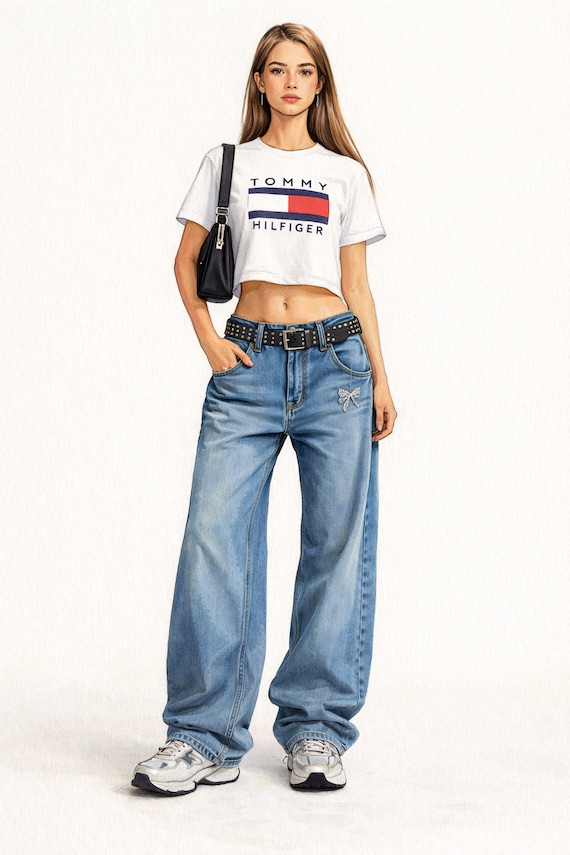
Image G Jones/AI
Music offers a revealing comparison between the two decades. During the 1990s, genres acted as social containers. Grunge, hip hop, alternative, and pop each carried distinct identities. Fans aligned themselves through taste as much as through attitude. Discovering music often involved effort, time, and physical movement. Record stores, radio stations, and word of mouth shaped belonging. In the 2000s, access widened dramatically. File sharing platforms collapsed barriers almost overnight. Consequently, listening habits became broader but less anchored.
The emotional tone of popular music, however, did not immediately change. Many early 2000s hits echoed the same concerns about alienation, desire, and disillusionment. Artists still framed themselves against systems they distrusted. Lyrics remained personal, skeptical, and performatively sincere. Therefore, the shift felt subtle rather than abrupt. Sound alone did not announce a new era. Infrastructure carried the real difference.
Technology played a decisive role in separating the decades. The 1990s treated digital tools as additions to existing life. Email supplemented letters, and websites supplemented magazines. Most social interaction remained physical and bounded by place. In the 2000s, digital life began competing with physical presence. Online spaces became destinations rather than references. As a result, attention fractured across screens, tabs, and feeds. The pace of interaction accelerated quietly but persistently.
Friendship Groups Were Different
Were the 2000s like the 90s? Social relationships adapted to this change in uneven ways. Friendship in the 1990s relied heavily on proximity. School, work, and neighbourhoods structured who stayed connected. Losing touch required little effort and rarely felt dramatic. The 2000s complicated that pattern. Messaging platforms lowered the cost of staying in contact. At the same time, they increased the expectation of availability. Consequently, relationships extended longer but grew thinner.
Work culture also shifted beneath familiar surfaces. The 1990s still imagined careers as linear and stable, even as industries evolved. Success followed a recognisable ladder, at least in theory. The 2000s began eroding that assumption. Contract work, freelancing, and early gig structures gained legitimacy. Therefore, insecurity became normalised rather than exceptional. People adjusted expectations downward while pretending continuity remained intact.
Politics marks another point of divergence. The 1990s often framed itself as a period of relative calm. Large conflicts felt distant or contained. Public discourse leaned toward technocratic optimism and managed compromise. The 2000s disrupted that posture sharply. Global events forced politics back into daily awareness. As a result, fear and urgency entered mainstream conversation. Cynicism hardened into something closer to vigilance.
Were the 2000s like the 90s?
Despite these changes, cultural memory tends to smooth rough edges. People recall the 2000s through selective highlights rather than lived texture. Nostalgia compresses difference into comfort. This process makes decades feel interchangeable when they were not. Memory favours familiarity over accuracy. Consequently, comparisons flatten complexity. The question becomes emotional rather than analytical.
Generational experience plays a role in this confusion. Those who came of age in the late 1990s carried habits forward into the 2000s. Cultural practices do not reset on January first. Instead, they decay gradually. Early adulthood anchors perception strongly. Therefore, people often mistake personal continuity for cultural sameness.
Media industries contributed to the illusion. Corporations recycled successful formulas rather than risking disruption. Sequels, reboots, and genre imitations dominated entertainment. Familiar faces reappeared across platforms. As a result, audiences encountered repetition everywhere they looked. Novelty existed but required more effort to find. Stability felt manufactured but convincing.
The Internet
Were the 2000s like the 90s? The internet also changed how trends spread and died. In the 1990s, trends moved slowly enough to feel earned. They rose, peaked, and faded with observable rhythm. The 2000s sped that cycle dramatically. Viral success shortened attention spans. Therefore, culture began eating itself faster than it could metabolise meaning. Nothing stayed new long enough to settle.
Yet the emotional register of daily life remained relatable across both decades. People worried about identity, connection, and future prospects. Romantic scripts stayed largely intact. Social anxieties repeated with different tools. This continuity matters because it shaped how the transition felt. Change arrived without dramatic costume changes. Familiar feelings softened the shock.
Looking back, the difference between the 1990s and the 2000s resembles a shift in gravity rather than scenery. The same objects moved under altered forces. Choice expanded while obligation blurred. Freedom increased alongside exhaustion. As a result, cultural life felt busier but less anchored. People sensed acceleration without naming it.
Similarities and Differences
So were the 2000s like the 90s? The answer depends on where one looks. On the surface, similarities dominate memory. Beneath that surface, systems reorganised themselves decisively. Continuity made the transition survivable. Change made it irreversible. Both truths coexist without cancelling each other.
The mistake lies in asking the question as if sameness and difference must compete. Decades overlap because people do. Culture carries forward even as it mutates. The 2000s were not a copy of the 1990s. They were a reprogramming that used familiar language. That familiarity explains why the shift took so long to notice.
Related
Related posts:
- 2000s culture trends – what were the top tech culture trends in the 2000s?
- Are the 2020s Like the 2000s?
- What years are the mid 2000s? What was the fashion like?
- How Was College Fashion in the Early 2000s
- What were the best 2000s fashion trends?
- The top 2000s fashion brands
- The 2000s in fashion – iconic movie costumes of the 2000s
- Early 2000s Fashion
- What Were the Early 2000s Like?
- The 2000s fashion aesthetic and how to achieve it
- Early 2000s clothing – Japanese-Parisian designer Hideki Seo
- What was 2000s clothing like? Styles of 2000-2009
- Five Key trends In 2000s Fashion – the Internet! And other tech.
- What was special about 2000s clothing for women?
- What are the best 2000s fashion brands and why
- Were 2000s fashions similar to the 90s?
- What was it like to be a teenager in the 2000?
- Our pick of the top 10 2000s fashion brands
- Guide to 2000s fashion
- What was the best 2000s fashion shop?
- Top 5 2000s fashion moments – the best catwalk shows of the decade
- Special Occasion Late 2000s clothing
- Late 2000s fashion – a runway selection.
- 2000s fashion men – Helmut Lang
- New York fashion Capital – influential fashion
- Tracey Emin review
- Why does fashion matter?
- What do you think about fashion today?
- 1990s Style
- Blue blooded denim hunters and jeans culture backstory
- Queer Theatre – Death and Dancing – a 1990s revival performance.
- Vintage fashion blogs – A big part of fashion
- Top fashion models – 1920s – 1990s
- Indie Clothing Inspiration
- What kind of clothes are in fashion now?
- Why Is 90s Fashion Making A Comeback
- Did people really wear neon coloured clothing in the 80s
- Isabella Blow – Style Icon
- Brand Supremacy: 90s Clothes Brands That Had Us in a Frenzy!
- Why Is There a Resurgence in the 90s Fashion Trend? – All You Need To Know As Creatives
- 12 great 90s Style fashion trends
- The Crop Top: What? Where? Why? All The Essentials You Need To Know
- What were the top fashion in the 2010s
- London fashion capital – Style City
- Interview: John-Michael O’Sullivan on model Barbara Mullen
- Overview of 90s Fashion
- Naomi Campbell – 90s supermodel
- What Explains The Popularity Of Thrift Shopping In The UK
- Are Flea Markets The Same As Thrift Shops – We Find Out Here
- Shell suit tracksuit history and how to rock the look today
- Seven 90s clothing styles that have left a lasting fashion legacy
- Kate Moss – 90s fashion model
- So, how to tell what’s the difference between vintage and retro?
- Eva Peron – Style Icon Evita
- is 90s fashion truly vintage?
- Give 60s festival fashion a whirl and rock these looks today
- Denim is an American Story embedded in the Fabric of the U.S.A.
- The versatile 90s shell suit – a must for every wardrobe
- 90s Clothing Fashion: Top Trends We Still Rock!


