


What years are the mid 2000s? What was the fashion like?
February 7, 2026What years are the mid 2000s? It’s strange to think of the mid 2000s as vintage, yet time moves faster than our wardrobes do. The era feels close enough to remember but far enough to romanticise. Flip phones clicked open, MySpace glittered, and somewhere between the last episode of Friends and the first iPhone launch, fashion took an energetic, sometimes chaotic turn. The mood was experimental, full of optimism, even if the hemlines didn’t always agree. People mixed trends from different worlds: high street, celebrity culture, and the first wave of fast fashion collided in full colour.
Fashion then didn’t pretend to be minimal. Everything was visible, from oversized belts to bright logo tees. It was a decade of visible effort, where layers mattered more than coordination and individuality was something you built through accessories. Low-rise jeans, long scarves, ballet flats and bold handbags were all part of a single, sprawling conversation about what modern style should look like.
In Britain, style magazines and TV shows acted like social guides. Readers and viewers studied Kate Moss at Glastonbury, Sienna Miller outside a Notting Hill café, and Alexa Chung wherever she happened to be photographed. The look was accessible yet aspirational. It reflected how people wanted to live: urban, mobile, slightly dishevelled, and always ready for a photo that might end up on Facebook.
What years are the mid 2000s?
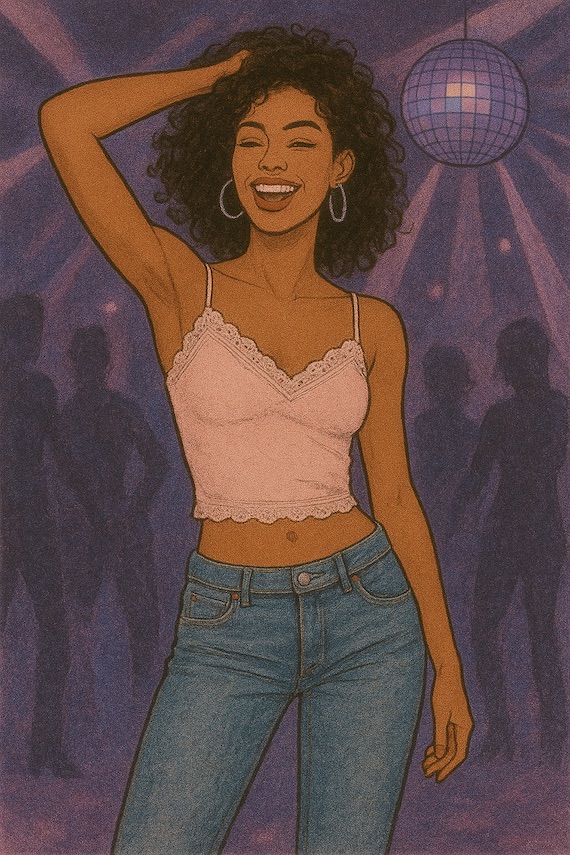
Image G Jones/AI
The mid 2000s are usually defined as the period between 2004 and 2007. Some stretch it from late 2003 to early 2008, depending on whether you measure by cultural mood or calendar logic. Either way, this was when digital culture and real-world style began to merge. Social media was still in its infancy, but the idea of being “seen” shaped fashion choices.
By 2004, the millennium-era shimmer of Y2K had started to fade. Metallics and futuristic shapes gave way to something more grounded, although not exactly subtle. British street fashion absorbed American influences from MTV and The O.C., yet filtered them through homegrown cool. London clubs mixed electro with indie rock, and wardrobes followed suit. Skinny jeans appeared everywhere, especially in darker washes that felt smarter than the bootcut versions from earlier years.
Then came layering. Longline vests beneath cropped jackets, camisoles over T-shirts, even dresses over jeans. The look wasn’t about precision. It was about nonchalance or at least the appearance of it. The most stylish people seemed to have thrown things together minutes before leaving the house. Many did, of course, but the effect worked. That slightly undone aesthetic became one of the defining features of mid-2000s fashion.
Across Britain, chain stores like Topshop, Miss Selfridge, and River Island ruled the high street. These shops moved quickly, offering versions of runway or celebrity looks within weeks. The pace of trend turnover increased, and with it came a sense of creative play. Shoppers could afford to experiment more, even if the results occasionally clashed.
Celebrity Influence and the Rise of “It” Girls
What years are the mid 2000s? By the middle of the decade, celebrity style shaped nearly everything. Magazine covers were filled with names like Kate Moss, Sienna Miller, Cheryl Cole, and Victoria Beckham. Each one represented a slightly different version of the era’s ideal. Moss defined boho rock chic, all skinny jeans, ankle boots, and oversized handbags. Miller gave bohemian a romantic edge with floaty dresses and chunky belts. Beckham brought sharp tailoring and glamour, a contrast that kept things interesting.
Meanwhile, reality television began to affect fashion in a way few expected. Big Brother contestants became brief trendsetters, and shows like The Hills filtered American casual into British wardrobes. Even early social media stars started influencing what people wore. MySpace profiles displayed not only musical preferences but also style identities. It was the start of personal branding through clothes, something we now take for granted.
Accessories became status symbols. Oversized sunglasses, studded belts, and enormous handbags were everywhere. People wore them as much for their recognisability as for practicality. The Mulberry Roxanne bag and the Balenciaga City became icons of the moment, while high street versions appeared within days.
Transitioning through these years, festival culture helped shape the British look. Glastonbury wasn’t just about music anymore; it was a runway in mud. Wellies became fashion statements, paired with denim shorts and sequinned tops. It was carefree, occasionally impractical, and perfectly mid-2000s.
What years are the mid 2000s?
Ask anyone who lived through it, and they’ll likely point to 2004–2007 again. The fashion before that was too glossy, too Y2K; the years after leaned into the sleek minimalism of the late 2000s. These four or so years marked a turning point, where street style and media visibility changed what it meant to be fashionable.
During this time, the British high street was arguably at its peak. Topshop’s Oxford Circus flagship became a tourist destination, complete with in-store DJs and makeup counters. The brand’s collaborations, particularly with Kate Moss in 2007, symbolised how mainstream fashion had started borrowing credibility from celebrity figures rather than couture designers. The result was a more democratic sense of style, or at least the illusion of one.
Menswear had its own moment too. Slim fits replaced the baggier silhouettes of the late 1990s. Indie bands like The Libertines, Franz Ferdinand, and Arctic Monkeys introduced a lean, slightly androgynous style built around drainpipe jeans and leather jackets. The mod revival returned yet again, though this time with Converse trainers instead of loafers. It was effortless but not without intention.
By contrast, women’s fashion remained more theatrical. Colours were bold, prints clashed, and textures mixed freely. The era favoured visible effort such as metallic bags, lace trims, low-slung belts, and layered jewellery. Even the most casual outfits had a certain deliberateness, like an outfit meant for photographs rather than errands.


