


What was it like to be a teenager in the 2000?
March 19, 2026What Was It Like to Be a Teenager in the 2000? Being a teenager in the 2000s was like living through a constant remix. Technology, fashion, and pop culture collided every few months, creating a blur of moods, trends, and playlists. People remember it as a simpler time, but it was also intense, colourful, and sometimes absurd. The internet was just beginning to shape teenage life, yet most plans were still made in person or over text on a chunky Nokia. Friendships formed around shared mix CDs, MSN chat windows, and the thrill of seeing your crush appear online with the perfect song lyric as their status.
Clothes were statements of allegiance. Whether you shopped at Tammy Girl, Topshop, or the local charity shop, what you wore defined your crowd. Teenagers experimented with style constantly. Hair straighteners were essential, eyeliner was universal, and even school uniforms were personalised through subtle rebellions. Rolled skirts, altered ties, or black trainers passed off as shoes. The 2000s teenager treated dress codes as guidelines rather than rules.
Music shaped everything. What you listened to determined your place in the social food chain. Indie, emo, garage, or R&B weren’t just genres; they were identities. Every youth club, bedroom, and festival field echoed with songs that became soundtracks to first heartbreaks, friendships, and after-school bus rides.
What Was It Like to Be a Teenager in the 2000? A World Between Online and Off
Being a teenager in the 2000s meant existing between two worlds. Online life was expanding fast, but the real world still mattered most. MSN Messenger ruled after-school hours. Conversations were full of dramatic screen names, glittering emoticons, and the ever-present sound of that digital “ping”. It felt private and infinite at once. But when the laptop shut, you returned to your real circle; the one waiting outside the corner shop or loitering in the park.
Transitioning between those spaces created a distinct kind of social rhythm. Teenagers learned to curate themselves before social media made it a full-time activity. Early MySpace pages and Bebo profiles were filled with personality quizzes, selfies taken on digital cameras, and profile songs that announced your mood to anyone visiting. It was creative expression without full awareness of permanence, which gave it a kind of freedom.
Mobile phones became social lifelines. Texts were rationed carefully, often typed in abbreviations to fit within 160 characters. Many remember the sense of anticipation that came with every message alert. The phone wasn’t just communication — it was identity. The model you had said something about you, whether it flipped, slid, or lit up blue.
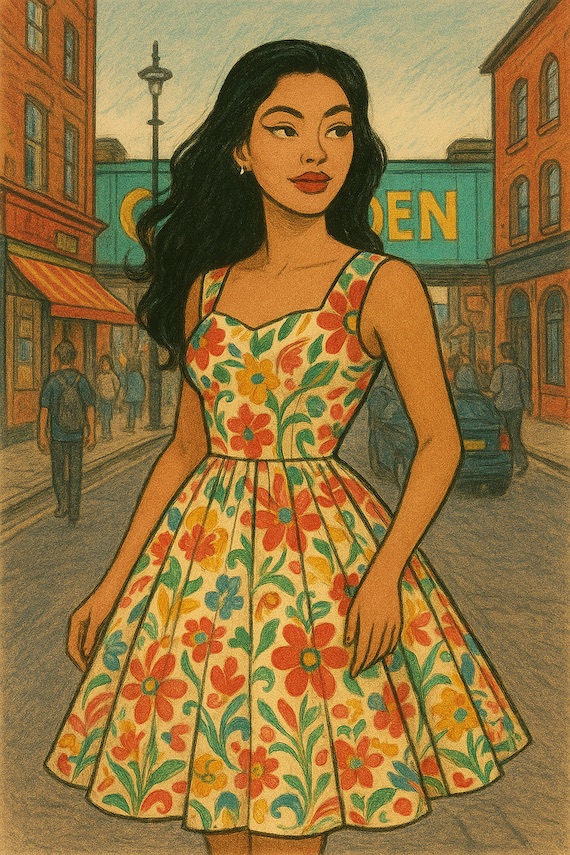
Image G Jones/AI
The Fashion Shift
What Was It Like to Be a Teenager in the 2000? For teenagers, fashion in the 2000s was more than a hobby; it was a daily experiment. The decade began with the sparkle and shine of Y2K, when metallics, sequins, and rhinestones covered everything. By the mid-2000s, the mood shifted. Indie and boho influences arrived, bringing skinny jeans, ballet flats, and layers upon layers of tops. British teens idolised figures like Kate Moss and Sienna Miller, but they also pulled inspiration from music scenes, local vintage shops, and the internet’s earliest fashion blogs.
Trends spread faster than ever before. The high street was booming. Topshop, New Look, and River Island released new collections almost weekly. Teenagers didn’t need to wait for designer trickle-down; they could recreate looks instantly. This was the beginning of fast fashion as lifestyle, though few recognised it as such at the time.
Accessories told their own story. Friendship bracelets, chunky belts, oversized handbags, and coloured hairbands turned up in classrooms and nightclubs alike. Nothing was minimal. The more layers, the better. The result was a visual language unique to the era — expressive, inconsistent, and impossible to replicate now without irony.
What Was It Like to Be a Teenager in the 2000? Everyday Experiments
If you wanted to understand how fashion spread during the mid 2000s, you had to look at the high street. It was the era when affordability met aspiration. New Look offered interpretations of designer catwalk pieces, while H&M and Zara began dominating British cities. The idea of “fast fashion” entered the mainstream vocabulary, though most people simply thought of it as keeping up with the latest looks.
Transitioning from one trend to the next became normal. One month it was boho skirts; the next, military jackets or sequinned tunics. The constant rotation made dressing up feel like an ongoing experiment. People could change their entire look with a few key purchases, a notion that suited the restless energy of the time.
Street style photographers began appearing outside London Fashion Week, capturing spontaneous outfits from attendees and passers-by. This was a new phenomenon. Fashion coverage wasn’t limited to magazines anymore; it also spilled online, into blogs and early digital galleries. Even though social media was limited, fashion began to feel like a shared, fast-moving dialogue.
Meanwhile, teenage subcultures adapted accordingly. Emo style gained ground, blending American mall punk aesthetics with British thrift finds. Coloured streaks, skinny jeans, and studded belts defined a generation who used clothes to signal belonging. It wasn’t polished, but it was sincere. The high street, always alert to commercial opportunity, provided ready-made versions within weeks.
What was it like to be a teenager in the 2000?
The 2000s represent a bridge between analogue and digital culture, between high street spontaneity and the beginnings of influencer-driven fashion. The clothes also mirrored that liminal feeling.
Transitioning from the optimism of early 2000s shimmer to late-decade sleekness, these years stand out for their playful contradictions. People embraced individuality but also bought into mass-produced style. Fashion felt democratic, yet trends moved so fast that keeping up required constant consumption. It was exciting, sometimes excessive, and always self-aware.
Looking back, the best 2000s looks captured confidence without polish. British fashion, especially, thrived on imperfection: the art of making it look like you didn’t try too hard. The mix of vintage finds, new-season buys, and celebrity inspiration created a texture that defined the time. It wasn’t cohesive, but that was the point. The 2000s celebrated contradiction as style.


