


What should the 2000s decade be remembered for?
September 26, 2026What should the 2000s decade be remembered for. 2000s decade main things. The 2000s had a particular visual language that still feels instantly recognisable today. Low-rise jeans, velour tracksuits and tiny sunglasses defined an era that had little interest in looking sensible. Flip phones became fashion accessories as much as communication devices. Digital cameras turned ordinary weekends into occasions for documentation.
Reality television moved from novelty to cultural force, producing celebrities whose main talent was being watched. Music television still mattered, even as the internet began changing how people discovered songs and artists. MySpace made personal identity feel like something that could be designed, edited and broadcast. Shopping became increasingly connected to celebrity culture, with paparazzi photographs influencing what appeared on high streets. The 2000s decade was optimistic in places, chaotic in others, and should be remembered as remarkably comfortable with excess. Looking back now, the 2000s feel less like a finished historical period than a prototype for much of modern life.
Fashion may be the easiest place to locate the decade, because the clothes remain so distinctive that a single outfit can summon an entire cultural moment. Low-rise denim, boot-cut trousers, slogan T-shirts and enormous belts created a silhouette that feels almost deliberately different from the minimalist styles that followed. Meanwhile, the 2000s decade should be remembered for brands such as Juicy Couture turned leisurewear into a status symbol, while Ugg boots travelled from practical footwear into an unlikely fashion phenomenon.
What should the 2000s decade be remembered for
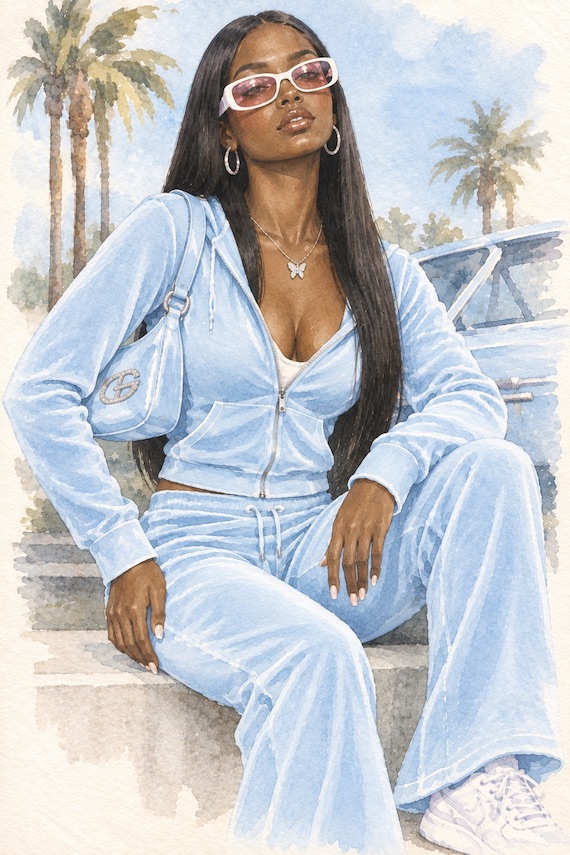
2000s. Image AI
Celebrity dressing became increasingly important, particularly as magazines photographed stars arriving at airports, leaving restaurants and walking their dogs. Consequently, what celebrities wore outside professional appearances became almost as influential as what they wore on red carpets. Paris Hilton, Britney Spears and Jennifer Lopez each developed highly recognisable visual identities that were copied around the world. Yet the decade was not simply about celebrity imitation, because ordinary shoppers had access to a rapidly expanding high-street fashion industry. Stores such as Topshop made trend-led clothing cheaper, faster and easier to obtain.
Technology deserves an even bigger share of the 2000s legacy, since this was the decade when the internet stopped feeling like a specialist interest and became part of everyday life. Early social media platforms changed how people presented themselves, although the experience was still considerably less polished than Instagram would later become. Facebook arrived in 2004, followed by smartphones that gradually transformed the internet from somewhere people visited into something they carried everywhere.
Suddenly, photographs could be taken, edited and shared without waiting for film to be developed. YouTube then changed the relationship between audiences and entertainment, allowing people to become creators without television studios or record companies behind them. At the same time, online shopping began altering the high street and making endless choice feel normal. Importantly, the decade also introduced anxieties that now seem familiar. This includes concerns about privacy, screen time and the commercial use of personal information. The technology was exciting, but it was never entirely innocent.
Music
What should the 2000s decade be remembered for; 2000s decade main things. Music should also be remembered because the 2000s contained an extraordinary mixture of genres, personalities and increasingly fragmented listening habits. Pop remained enormous, with Britney Spears, Beyoncé, Christina Aguilera and Justin Timberlake becoming defining figures of mainstream culture. Meanwhile, hip-hop moved further into the centre of popular music. Indie bands enjoyed a substantial revival through groups such as The Strokes, Arctic Monkeys and Franz Ferdinand.
Downloading changed everything, especially after music became available through services such as iTunes rather than being tied to physical albums. Consequently, the album began competing with the individual track as the basic unit of music consumption. Teenagers could construct remarkably personal collections, mixing chart pop, obscure indie songs and downloaded tracks from completely different eras. Music television still provided shared cultural moments, although its influence was already beginning to weaken. The 2000s decade should be remembered as and was one of the last periods when popular music could still feel broadly communal.
What should the 2000s decade be remembered for. Reality television deserves its own place in the decade’s history. It changed celebrity culture more thoroughly than many people realised at the time. Big Brother, The Simple Life, Pop Idol and countless dating, makeover and talent programmes made ordinary behaviour into entertainment. Furthermore, reality television created a new type of celebrity whose appeal depended less on conventional achievement than on personality, appearance and the ability to remain interesting under observation.
What should the 2000s decade be remembered for
The Kardashians would eventually build an enormous media empire from this model, but the foundations were already being laid across the decade. Television also became increasingly fascinated by transformation, whether that meant changing someone’s wardrobe, decorating their house or finding them a partner. These programmes were often presented as harmless entertainment, yet they reflected a growing appetite for public scrutiny and personal reinvention. At the same time, celebrity magazines turned private lives into commercial products. This created a cycle in which fame generated attention and attention generated more fame. The culture of being watched had arrived.
The 2000s decade should also be remembered for its uneasy relationship with money, aspiration and consumer culture, particularly before the financial crisis abruptly changed the mood. Designer handbags, glossy apartments, celebrity holidays and expensive cars were presented as symbols of having made it. Reality television turned wealth into a form of entertainment. For many people, however, the most visible version of this aspiration came through high-street shopping, where constantly changing collections made fashion feel accessible rather than exclusive.
Brands encouraged customers to buy frequently, replace quickly and treat clothing as a form of personal expression. Eventually, the 2008 financial crisis exposed how fragile some of that confidence had been. It brought a very different atmosphere to the final years of the decade. Nevertheless, the consumer habits established during the period did not disappear with the recession. Instead, they evolved alongside online shopping, fast fashion and social media, becoming even more deeply embedded in everyday life. The 2000s therefore deserve credit, or blame, and should be remembered for normalising the idea that identity could be endlessly purchased.
Culture
What should the 2000s decade be remembered for. Ultimately, the 2000s should be remembered as the decade when the culture we recognise today began taking shape, although many of its consequences were not immediately obvious. Social media, celebrity culture, fast fashion, online shopping and digital entertainment all existed in embryonic forms before becoming dominant features of modern life. Equally, the decade marked a transition between an older analogue culture and a fully connected digital one, leaving it with a strange mixture of nostalgia and technological awkwardness.
Perhaps that explains what should the 2000s decade be remembered for and why its aesthetic has returned so enthusiastically, with younger consumers rediscovering everything from tiny bags to digital cameras and deliberately imperfect photographs. At the same time, nostalgia can make the period appear simpler than it actually was, particularly when difficult political and economic events disappear behind a pair of velour tracksuit bottoms. Still, there is something fascinating about an era that now looks both dated and surprisingly contemporary. The 2000s were not merely a decade of questionable fashion. They were the opening chapter of the world we are still living in.


![fashion style icons.Audrey_Hepburn.(https://creativecommons.org/licenses/by-sa/4.0)], via Wikimedia Commons](data:image/svg+xml;base64,PHN2ZyB4bWxucz0iaHR0cDovL3d3dy53My5vcmcvMjAwMC9zdmciIHZpZXdCb3g9IjAgMCAzNTAgMzUwIiBidi1pbWctdXJsPSJodHRwczovL3d3dy5ibHVlMTcuY28udWsvd3AtY29udGVudC91cGxvYWRzLzIwMTcvMDQvNTcwcHgtQXVkcmV5X0hlcGJ1cm5fYXVmX2RlbV9Cw7xyZ2Vuc3RvY2tfMDktMzUweDM1MC5qcGciPjwvc3ZnPg==)


