


How to start my own clothing brand?
August 24, 2026How to start my own clothing brand? There is something exciting about the idea of creating your own clothing brand. Perhaps it starts with a sketch saved on your phone, a collection of vintage pieces that inspire you, or the feeling that your wardrobe is missing something you would love to wear yourself. For many aspiring founders, the appeal is not just about making clothes, but about creating a point of view and sharing a particular way of seeing fashion with others.
Of course, turning that initial spark into a real business involves much more than choosing a logo and launching a website. Behind every memorable label is a combination of creative thinking, careful planning, and a willingness to understand the details that bring an idea to life. Starting a clothing brand may feel like a big step, but with the right approach, it is a journey that begins with curiosity.
Starting a clothing brand begins with an idea, but the strongest brands usually grow from a clear point of view rather than a sudden desire to sell clothes. Fashion is full of possibilities, although the most memorable labels often understand exactly who they are speaking to and why their products deserve attention. A clothing brand can start with a single jacket, a collection of printed shirts, or a particular approach to everyday dressing that feels distinctive.
Many people imagine the finished website, packaging, and campaigns first, yet the foundations are usually built through research, patience, and careful decisions. The process is creative, but it is also practical because clothing exists at the intersection of design, manufacturing, business, and customer experience. Anyone can begin exploring the idea, provided they are willing to learn how the industry actually works.
How to start my own clothing brand?
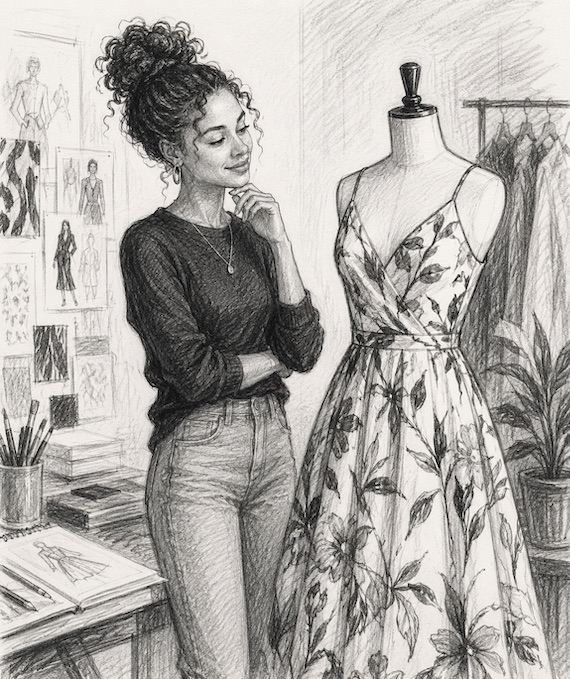
Fashion designer
The first step is developing your brand concept and understanding what makes it different from thousands of existing fashion businesses. Consider the customer you want to reach, the clothing they already buy, and the gap you believe your brand could fill. However, this does not mean creating something completely unfamiliar, because many successful brands reinterpret familiar ideas with a stronger identity.
A useful exercise involves writing down your brand values, visual references, preferred materials, and the feeling you want customers to experience when wearing your pieces. Additionally, look beyond clothing itself and examine the wider world surrounding your idea, including music, architecture, art, travel, and culture. Those influences often become the foundation of a recognisable aesthetic. The aim is not simply to make garments, but to create a world that people want to enter.
Research should become a regular habit because fashion decisions are rarely made in isolation. Study brands that interest you, including their pricing, photography, customer communication, and product choices. Meanwhile, pay attention to smaller independent labels because they often reveal practical approaches that larger companies cannot easily replicate. Understanding competitors does not mean copying them; instead, it helps you identify opportunities and avoid entering a crowded market without a clear purpose.
You should also investigate your potential customers carefully, considering their budgets, lifestyles, shopping habits, and expectations. For example, someone buying investment knitwear will approach a brand differently from someone searching for affordable trend-led pieces. These details influence everything from fabric selection to marketing language. Research may seem less exciting than designing, but it can prevent expensive mistakes later.
The First Collection
How to start my own clothing brand? Creating your first collection requires balancing ambition with realism, particularly when you are funding the brand yourself. Many new designers make the mistake of producing too many styles before understanding what customers actually want. Instead, begin with a focused range that demonstrates your identity and allows you to test the market without overwhelming financial pressure. A small collection can often communicate a stronger message than a large one filled with unrelated ideas. Therefore, think carefully about which pieces represent your vision most effectively and which items customers might genuinely wear repeatedly. Fabric choices, construction methods, and production quantities all influence your costs, so every decision matters. A beautiful concept needs a workable plan behind it, because creativity alone cannot sustain a clothing company.
Finding manufacturers is one of the most important stages of building a clothing brand, and it is also where many beginners discover unexpected challenges. Manufacturing involves conversations about minimum order quantities, sampling costs, production timelines, quality control, and ethical standards. Additionally, choosing a supplier is not only about finding the cheapest option because reliability and communication can save significant stress later.
Some brands begin with local makers, while others work with specialist factories overseas depending on their requirements and budget. You should always request samples before committing to larger orders. Photographs and descriptions rarely reveal the complete reality of a garment. Moreover, testing pieces yourself allows you to assess comfort, durability, and finishing details from a customer’s perspective. The relationship between designer and manufacturer becomes part of the brand story, so choose carefully.
How to start my own clothing brand?
Pricing your clothing can feel uncomfortable at first because many creative people struggle to attach financial value to their work. However, a sustainable brand needs prices that cover production, packaging, marketing, business costs, and future growth. Simply adding a small amount above manufacturing costs rarely creates a stable business model. Therefore, consider the full journey of each garment, from initial sketches through to the moment it reaches someone’s wardrobe. Customers are not only paying for fabric, but also for design expertise, craftsmanship, and the experience associated with the label. Additionally, pricing too low can sometimes create confusion about quality or positioning. Research similar brands and understand where your products sit within the market. A clear pricing strategy gives customers confidence because it communicates that the business understands its own value.
Building an online presence is now one of the most accessible ways to introduce a clothing brand. It requires more than simply uploading product photographs though. Your website, social media channels, and email communication should all reflect the same visual language and personality. Meanwhile, remember that customers want to understand the story behind a product. This includes why it was created and what makes it worth choosing.
Photography becomes especially important because people cannot physically touch garments before purchasing online. For example, detailed images showing texture, fit, and movement can make a significant difference to buying decisions. Additionally, thoughtful descriptions help shoppers imagine how pieces might become part of their everyday lives. A strong digital presence does not replace quality products, but it can help the right audience discover them.
