


Review: Marie Antoinette at the V&A
February 14, 2026Review: Marie Antoinette at the V&A. A visit to Victoria and Albert Museum’s Marie Antoinette Style feels less like walking into a historical exhibition and more like stepping into a perfectly orchestrated fantasy about fashion itself. It is exuberant without being silly, indulgent without being empty, and impressively scholarly without ever turning stern. From the first room onward, the show seems determined to remind you that fashion has always been emotional, theatrical, and a little bit excessive. That is its great pleasure.
This is not an exhibition that tiptoes around Marie Antoinette’s reputation. It embraces it, flounces with it, and then carefully reconsiders it under excellent lighting. The curators understand that the Queen’s image has been shaped as much by imagination as by history. Rather than trying to strip away myth, they lean into it, using dress as the bridge between lived reality and cultural afterlife. The result feels celebratory rather than defensive.
The opening galleries set the tone immediately. Soft colors, generous spacing, and a gentle sense of drama guide you into the world of eighteenth century court life. These rooms do not rush. They allow garments to breathe. You are invited to notice silk textures, embroidery density, and the sheer scale of these clothes. The dresses are astonishing objects, not just for their beauty but for their ambition. They were designed to be noticed, remembered, and discussed. Mission accomplished.
Review: Marie Antoinette at the V&A
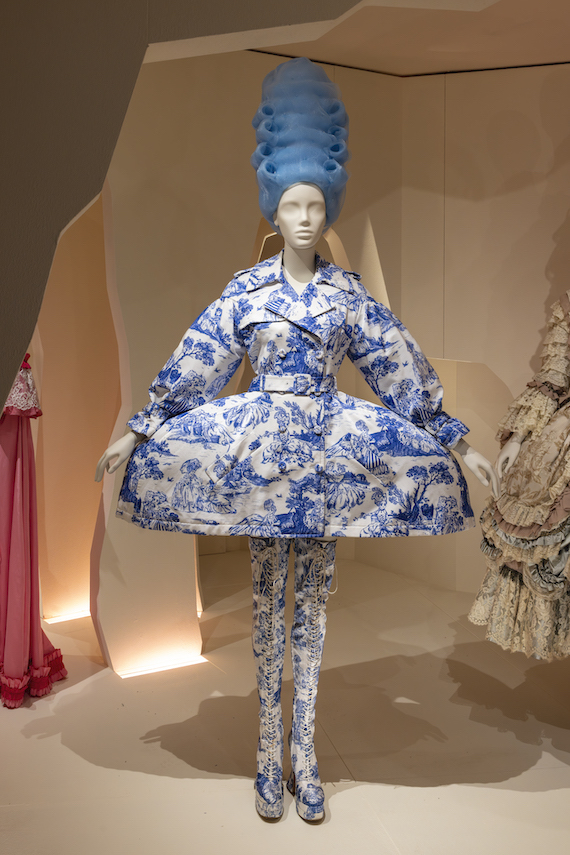
Marie Antoinette Exhibition photographs, 15th September 2025 (C) Victoria and Albert Museum, London
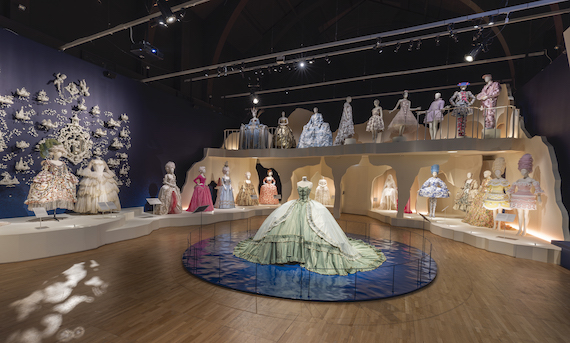
Marie Antoinette Exhibition photographs, 15th September 2025 (C) Victoria and Albert Museum, London
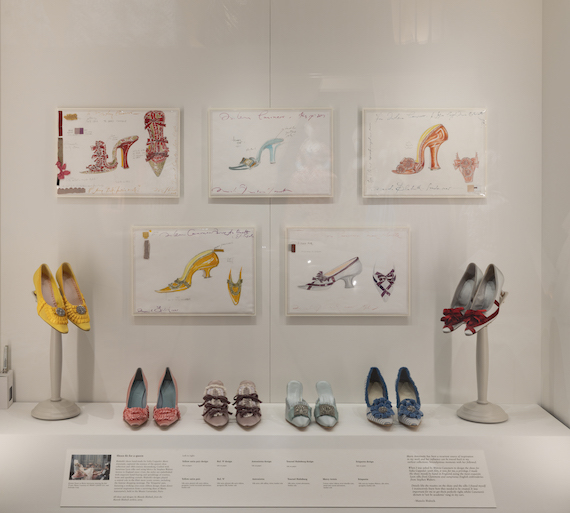
Marie Antoinette Exhibition photographs, 15th September 2025 (C) Victoria and Albert Museum, London
What becomes clear very quickly is that Marie Antoinette understood fashion instinctively as communication. Clothing was not decoration but language. At Versailles, dress signaled rank, mood, allegiance, and taste, often simultaneously. The exhibition makes this visible through thoughtful pairings and explanations that never feel heavy handed. You learn while still feeling slightly dazzled, which is exactly right.
The craftsmanship on display is extraordinary. Corsetry, lace, silk weaving, and embellishment techniques appear at a level that feels almost unreal to modern eyes. Buttons become jewels. Shoes resemble sculpture. Hairstyles, documented through portraits and objects, defy gravity and common sense with joyful confidence. It is impossible not to smile at the sheer nerve of it all.
Yet the exhibition does not freeze Marie Antoinette in powdered stillness. It traces her evolution from teenage Archduchess to Queen, showing how her style shifted with age, circumstance, and self awareness. Early looks feel ornamental and dutiful. Later choices suggest experimentation and personal preference. Fashion becomes not just imposed protocol but a space for agency, however constrained.
Contradiction
One of the exhibition’s great strengths is its handling of contradiction. Marie Antoinette is presented as frivolous and influential, constrained and powerful, adored and resented. Her clothes reflect this tension. Lavish gowns coexist with simpler garments associated with retreat and intimacy. The infamous pastoral fantasy aesthetic is explored with nuance rather than mockery. You see how it functioned as escape, rebellion, and aesthetic strategy all at once.
Importantly, the show never forgets that fashion operates within systems. Court dress codes, production labor, and economic context are carefully woven into the narrative. This grounding prevents the exhibition from floating off into pure spectacle. You remain aware that these garments existed within political and social realities, even as you admire their beauty.
As the exhibition moves forward, it expands its scope beyond Marie Antoinette herself. Her afterlife becomes the star. Here, the show really sparkles. Designers, filmmakers, artists, and pop culture creators across centuries have returned to her image again and again. She becomes muse, warning, fantasy, and shorthand, depending on the era.
Review: Marie Antoinette at the V&A
Seeing contemporary fashion placed alongside historical references is deeply satisfying. Modern designers reinterpret rococo excess with humour, critique, and affection. Corsetry reappears with irony. Pastels return with attitude. Silhouettes echo without copying. The exhibition makes a compelling case that Marie Antoinette is not just a historical figure but a recurring fashion mood.
Film references are especially well handled. Costumes inspired by her life demonstrate how visual storytelling reshapes history into feeling. The show acknowledges how cinema, particularly in the late twentieth and early twenty first centuries, reframed Marie Antoinette as a symbol of youthful excess and misunderstood femininity. These interpretations feel less like distortion and more like translation.
There is a lightness to the exhibition that deserves praise. It understands that joy is a legitimate scholarly position when dealing with fashion. Playfulness is not treated as a flaw. Instead, it is recognised as central to why Marie Antoinette continues to matter visually. The curators trust visitors to hold delight and complexity at the same time.
Intuitive Flow
The exhibition design supports this trust beautifully. Rooms flow intuitively, avoiding bottlenecks and visual fatigue. Text panels are clear, concise, and pleasantly readable. Lighting flatters without dramatising. Nothing feels over explained. You are guided, not lectured.
What also stands out is the absence of moral scolding. Marie Antoinette’s fate is acknowledged, but it does not dominate the narrative. The exhibition resists reducing her to a cautionary tale. Instead, it focuses on her impact on visual culture, particularly fashion’s ability to carry meaning long after political contexts fade. This choice feels refreshing and appropriate.
Visitors linger here. You can tell. People stand quietly in front of garments longer than usual. They point out details to companions. Phones come out, but so does genuine looking. The exhibition rewards attention. The more you give it, the more it offers back.
Review: Marie Antoinette at the V&A
There is also something quietly contemporary about the show’s themes. Questions about image management, public perception, and the scrutiny of women in power feel surprisingly current. Marie Antoinette’s clothes become early examples of how style can both empower and endanger. The exhibition does not push this parallel aggressively, but it hums beneath the surface.
The final sections leave you buoyant rather than exhausted. You exit not with the weight of history pressing down, but with a sense of fashion’s enduring capacity for reinvention. Marie Antoinette emerges not as a frozen icon, but as a living reference point. She becomes part of an ongoing conversation about taste, excess, and identity.
In the end, the show feels like a well executed curtsy. Elaborate, precise, and also a little theatrical. For anyone interested in fashion, culture, or the strange alchemy between image and power, this exhibition is not just enjoyable. It is genuinely delightful.
 
The exhibition is on at the V&A South Kensington until March 22nd. Images kindly provided by the V&A.

